
The Rural Obstetrics and Maternity Sustainability Program (ROAM) improves overall health system access and function by stabilizing, supporting and enhancing the delivery of quality maternity and surgical care to rural communities and Indigenous Peoples in BC.
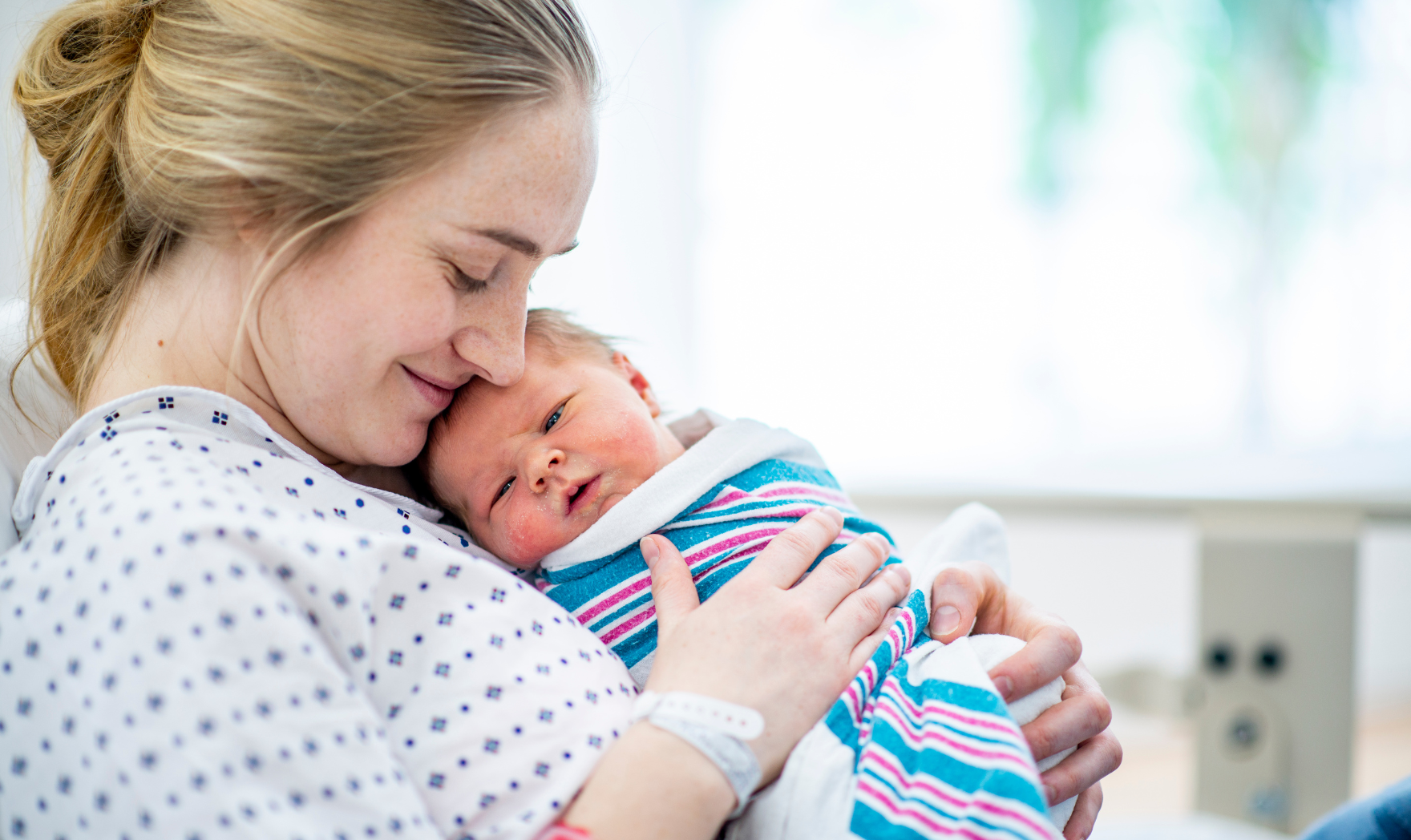
“The ROAM activities were so impactful for our community. Without the support of ROAM, the maternity team wouldn’t have been able to flourish as a team.”
The need for ROAM
Since 2000, 24 rural facilities in BC have closed their maternity programs, impacting 140,000+ people across their catchment areas, and disproportionately disadvantaging Indigenous communities. Within the current health system environment of increasing complexity, increasing acuity, and insufficient resources, rural maternity providers struggle to continue providing safe, appropriate maternity care as close to home as possible. Furthermore, rural service closures adversely impact and destabilize referral sites along networks and corridors. When local service closures occur in multiple sites across a geographic area of the province, regional capacities become situationally overwhelmed and providers in these sites face increasing stressors and burnout.
For the sites with funding to support their surgical programs, sustaining these local surgery programs are an integral part of rural health care infrastructure and are essential to the sustainability of rural acute care programs. They increase the medical capacity of rural communities by supporting enhanced critical care, emergency, and trauma care, and by providing access to surgical first responders and anesthetic staff. In addition, surgical infrastructure enables robust maternity care through access to cesarean section: a key determinant of the proportion of local births the service can support and overall provider sustainability.
ROAM in Rural Communities
The approach of the ROAM program is to engage interprofessional provider teams and provide them with resources to develop a plan for their own community’s specific context, needs and priorities to support the sustainability of maternity and surgical services in their community. Guiding principles of ROAM are to foster “Community Determined Safe Birth Environments” based on holistic risk evaluation and assessment, and to support local team-based approaches that enhance equity, stability, and support sustainability across the broader medical community.
ROAM funding is available for all rural maternity teams and the smallest surgical teams in rural British Columbia. Examples of what teams do within the ROAM program include coaching, team learning, peer/team/regional network development, Indigenous partnership initiatives, and continuous quality improvement projects. By undertaking these activities, the teams in each community foster team collaboration, strengthen interprofessional relationships and provide high-quality, sustainable maternity and surgical care in their communities.

Impacts of ROAM
ROAM funding has played a valuable role within rural communities, and providers participating in ROAM report strengthened team relationships and cohesion, increased confidence, improved job satisfaction, and enhanced safety and quality of care for patients. Some sites have reported that ROAM has been integral to their ability to maintain ongoing maternity services in their communities.
Rural maternity and surgical programs are linchpins of a stable full-service community hospital. When these programs are maintained, sites are often better able to recruit and retain all health care providers, are better equipped to sustain their emergency and acute services, and are able to offer a wider scope of services locally so that patients can access care closer to home.
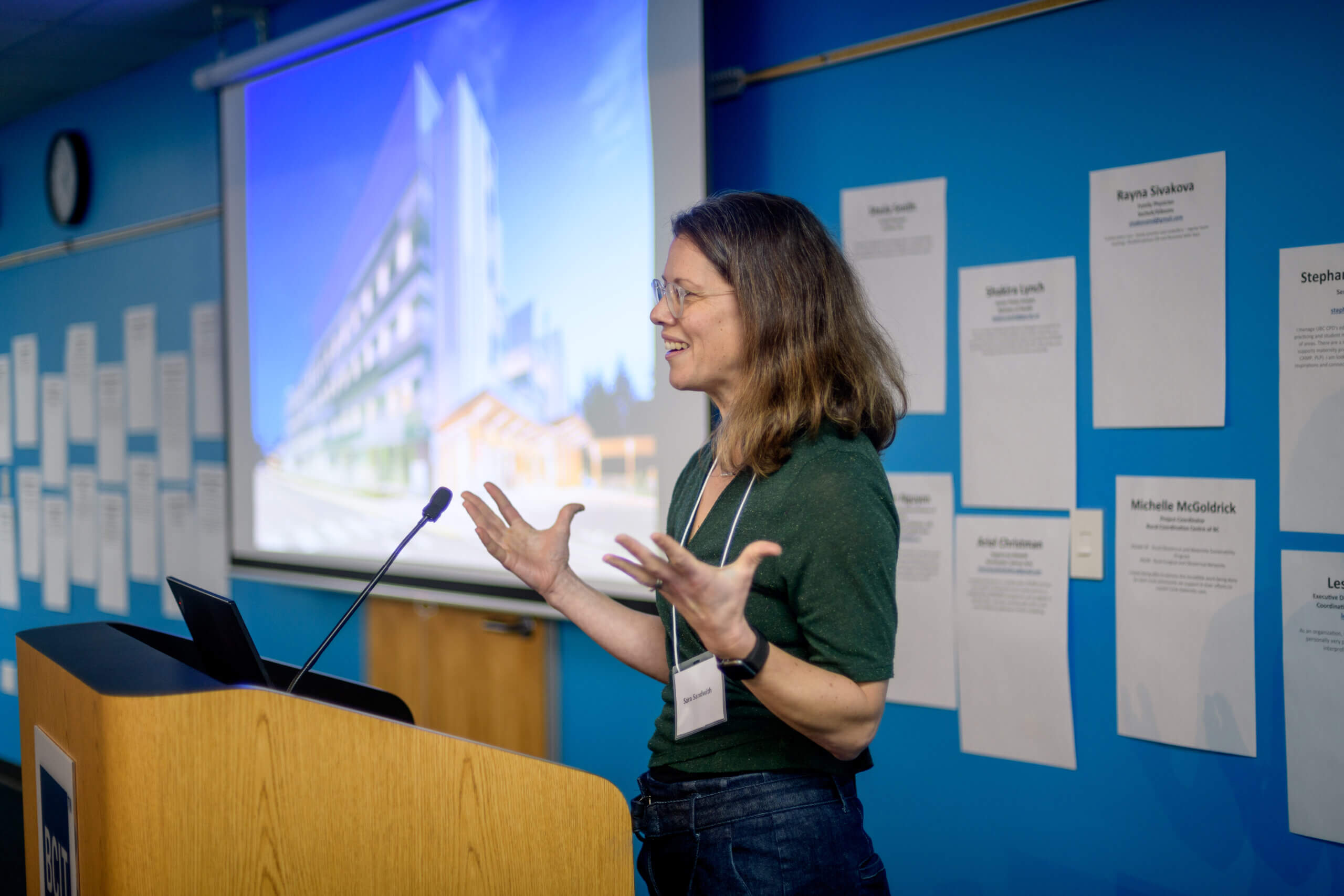
2023 Rural Maternity Summit
In late 2023, approximately eighty health partners from across British Columbia convened for the Rural Maternity Summit. Participants gathered in a learning community to identify common interests, build on existing strengths, and foster new collaborative approaches for addressing pressing issues affecting the sustainability of rural maternity services and the rural health workforce.
Generous support from the Joint Standing Committee on Rural Issues, RCCbc and Perinatal Services BC made the summit possible.
Connect with the ROAM team
Subscribe to the ROAM monthly newsletter
View past editions of the ROAM Newsletter
We welcome any and all physicians, midwives, nurses, nurse practitioners and other health care practitioners interested in rural maternity and surgery in BC to subscribe to the ROAM monthly newsletter. Each edition will feature:
- Stories from rural maternity and surgery teams across BC.
- Activity highlights from maternity and surgery teams, supported by the ROAM program.
- Information and resources that may be of interest to health care providers involved in rural maternity and surgery in BC.
Past editions:
ROAM Stories
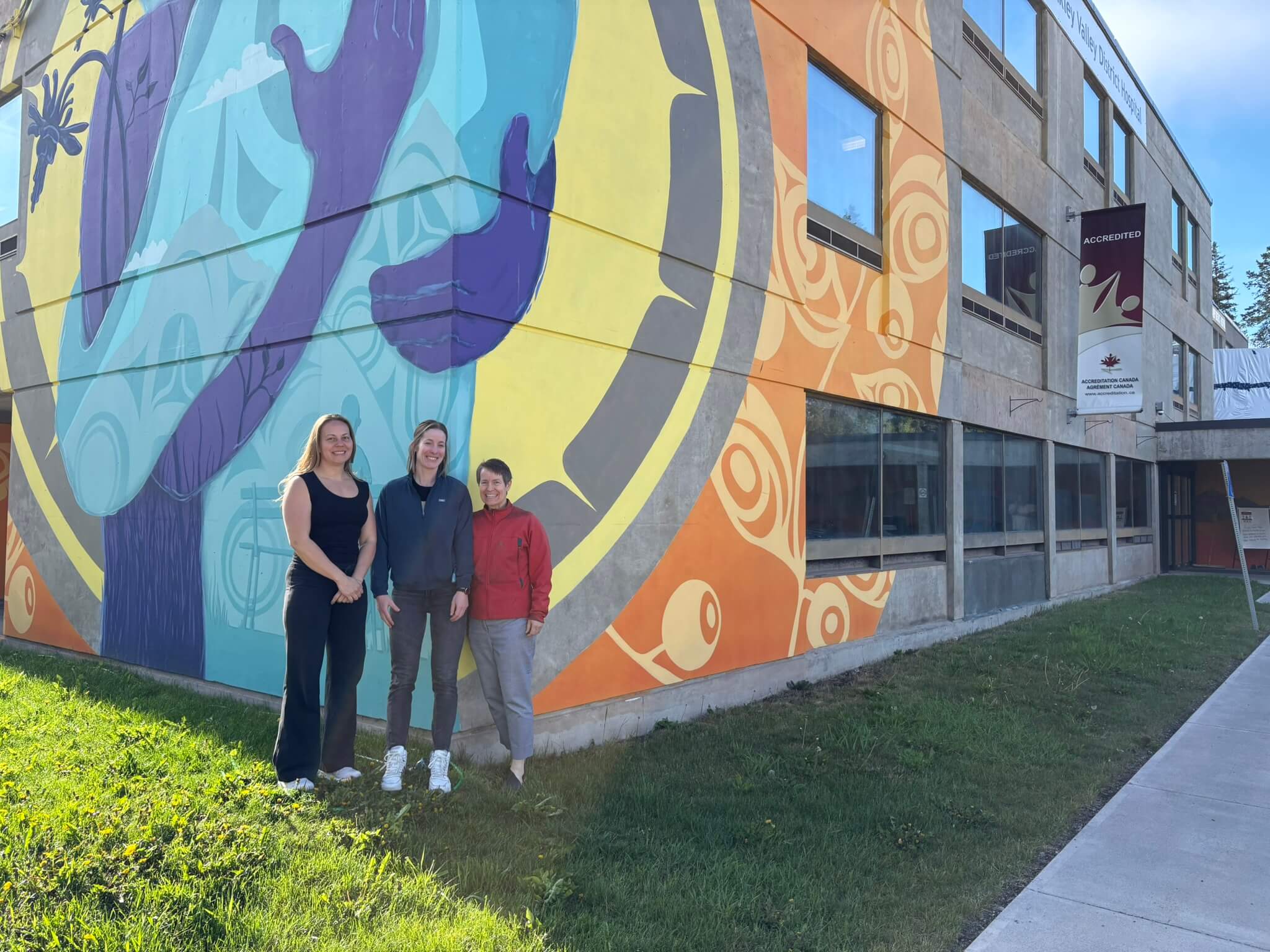
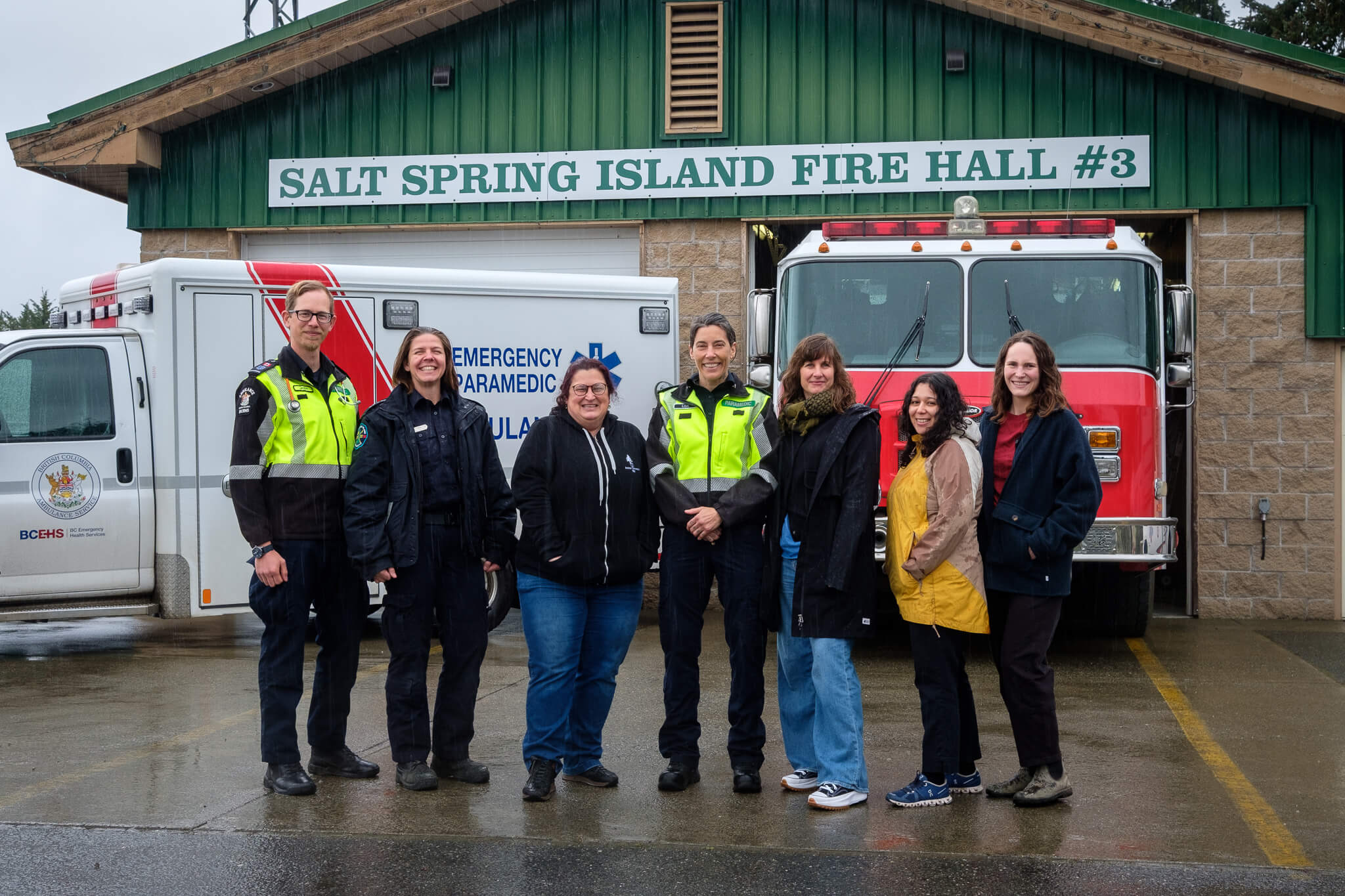
Read more about recent achievements
Team Involved


Related Content
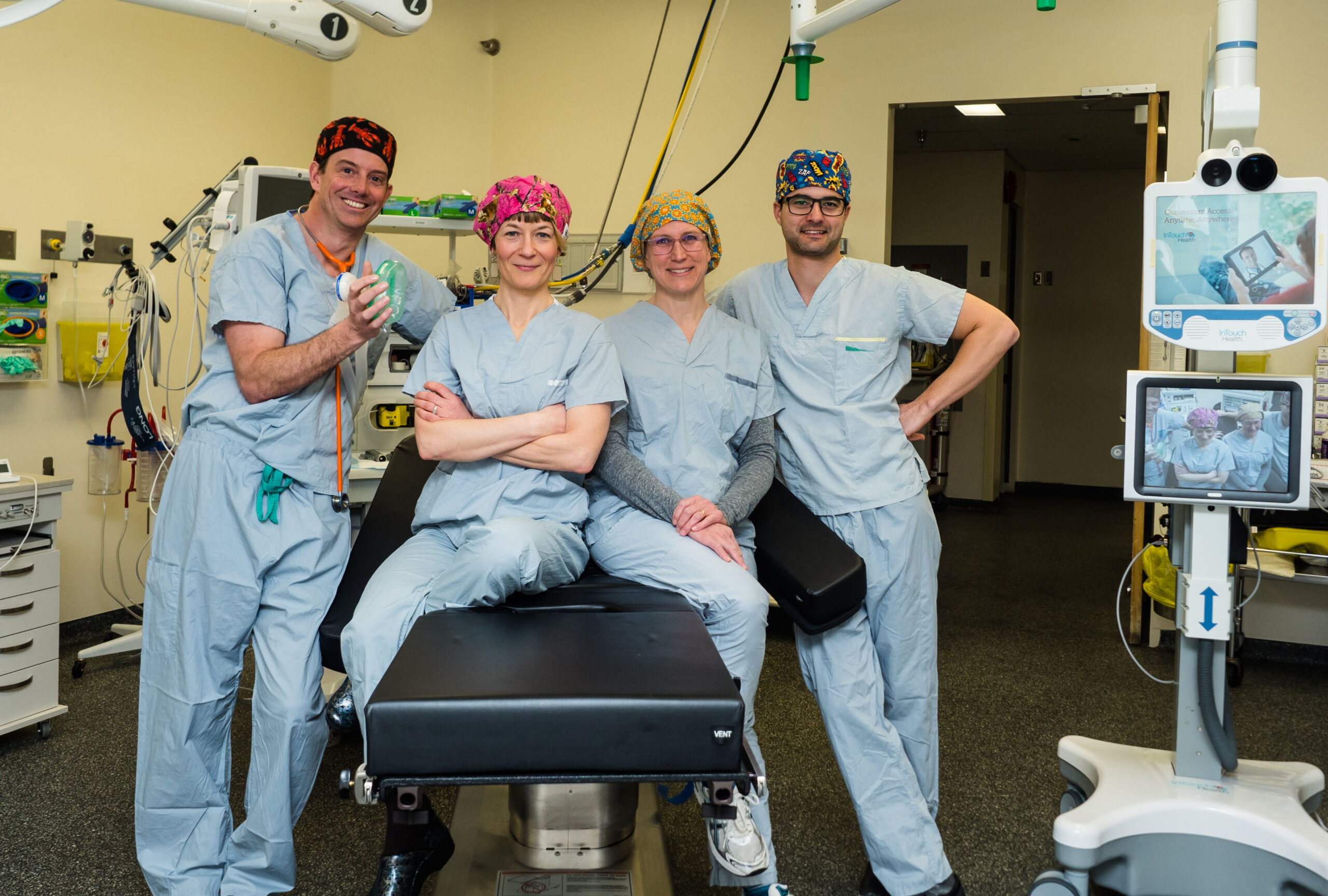
Rural Surgical & Obstetrical Networks (RSON)
RSON stabilizes, supports and enhances the delivery of quality healthcare to vulnerable rural populations in British Columbia, including Indigenous populations.
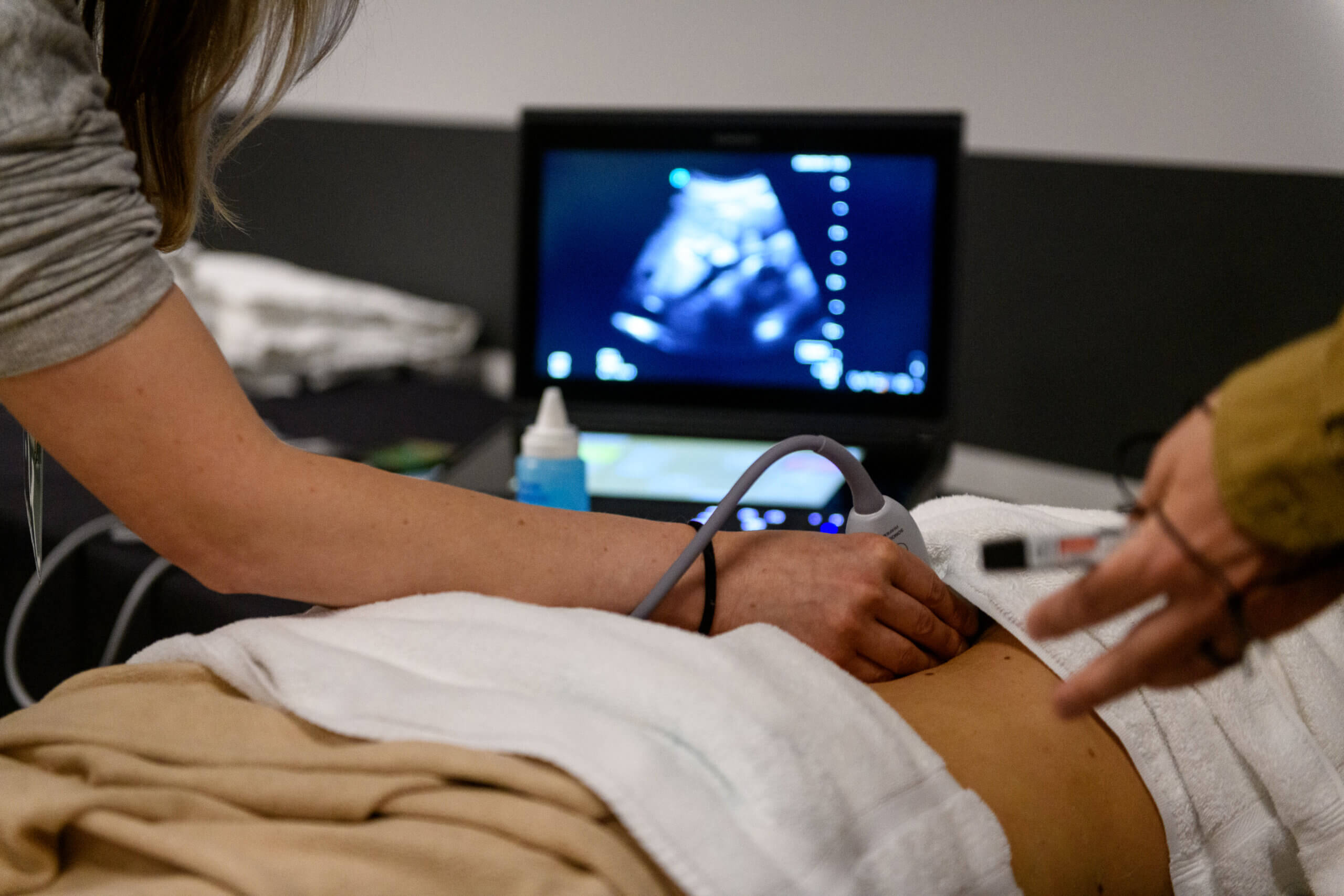
Point-of-Care Ultrasound
The POCUS initiative enhances the availability of point-of-care ultrasound in rural, remote and Indigenous communities across British Columbia.