
The Rural Type 2 Diabetes Remission Initiative is a two-year project exploring practical, community-based supports that can help some people living with Type 2 diabetes work toward remission, alongside their primary care team. The work is focused on rural communities, where access to consistent supports and specialist care can be harder to reach.

What we are doing
This initiative is exploring how local services, peer support, and interprofessional education can strengthen diabetes remission supports closer to home, shaped by community priorities and realities.
Rural communities involved
The initiative is working in Port Alberni and Tumbler Ridge, supporting two community tables. The work engages with local partners and nearby First Nations communities.
Funding
In December 2025, the Rural Type 2 Diabetes Remission Initiative received a Shared Care grant of $200,000 to support the project for two years. Shared Care is supported by the Joint Collaborative Committees (JCC), partnerships of Doctors of BC and the Government of BC.
The initiative also received a $50,000 grant in 2024–25 from Healthcare Excellence Canada to engage with Port Alberni and Tumbler Ridge and learn what was important to them for community-based diabetes remission supports.
What is diabetes remission?
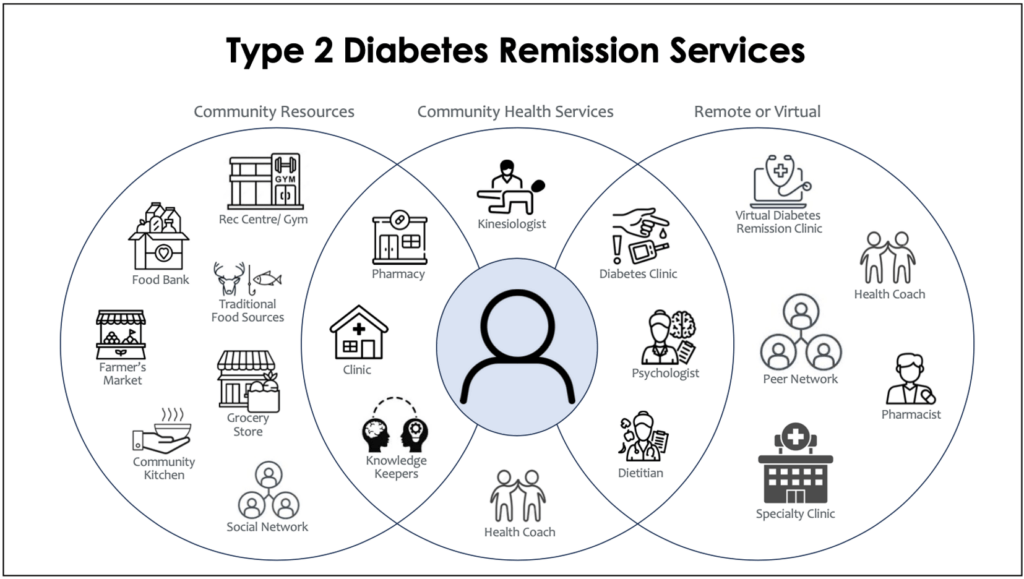
Type 2 diabetes is often seen as a chronic and progressive condition. Research over the past decade suggests that remission can be possible for some people through food-based interventions, with some studies reporting remission rates between 50% and 77%.
Diabetes remission is defined as having a normal blood glucose range without needing to take glucose-lowering medications for three months or more. It is called remission, and not a cure, because the condition can recur. Any lowering of blood glucose levels can help reduce the risk of future health consequences, so any improvement is a step in the right direction.
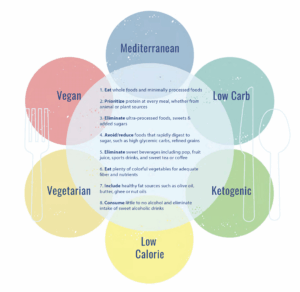
Is a specific dietary approach recommended?
A specific diet is not recommended. Instead, the initiative encourages eight common principles that can be applied to many different styles of eating, including culturally relevant food traditions. The initiative supports a sustainable, patient-led, food-first approach that helps individuals make informed food choices aligned with their preferences, values, and lived experience.
Research evidence also points to several interlinked changes associated with remission, including reducing abdominal fat, losing total body fat, building muscle, and reducing consumption of sugar and foods that digest to sugar.
For more information about diabetes remissions and approaches, please visit diabetesremission.ca.
Partners
Confirmed partners include: