
Real-Time Virtual Support


Real-Time Virtual Support (RTVS) peer pathways are for physicians, residents, nurse practitioners, nurses, midwives—and other health care providers—in rural, remote, and First Nations communities in BC. Calling RTVS is like calling a friend. We are here for you when you need free and friendly clinical support at the click of a button.
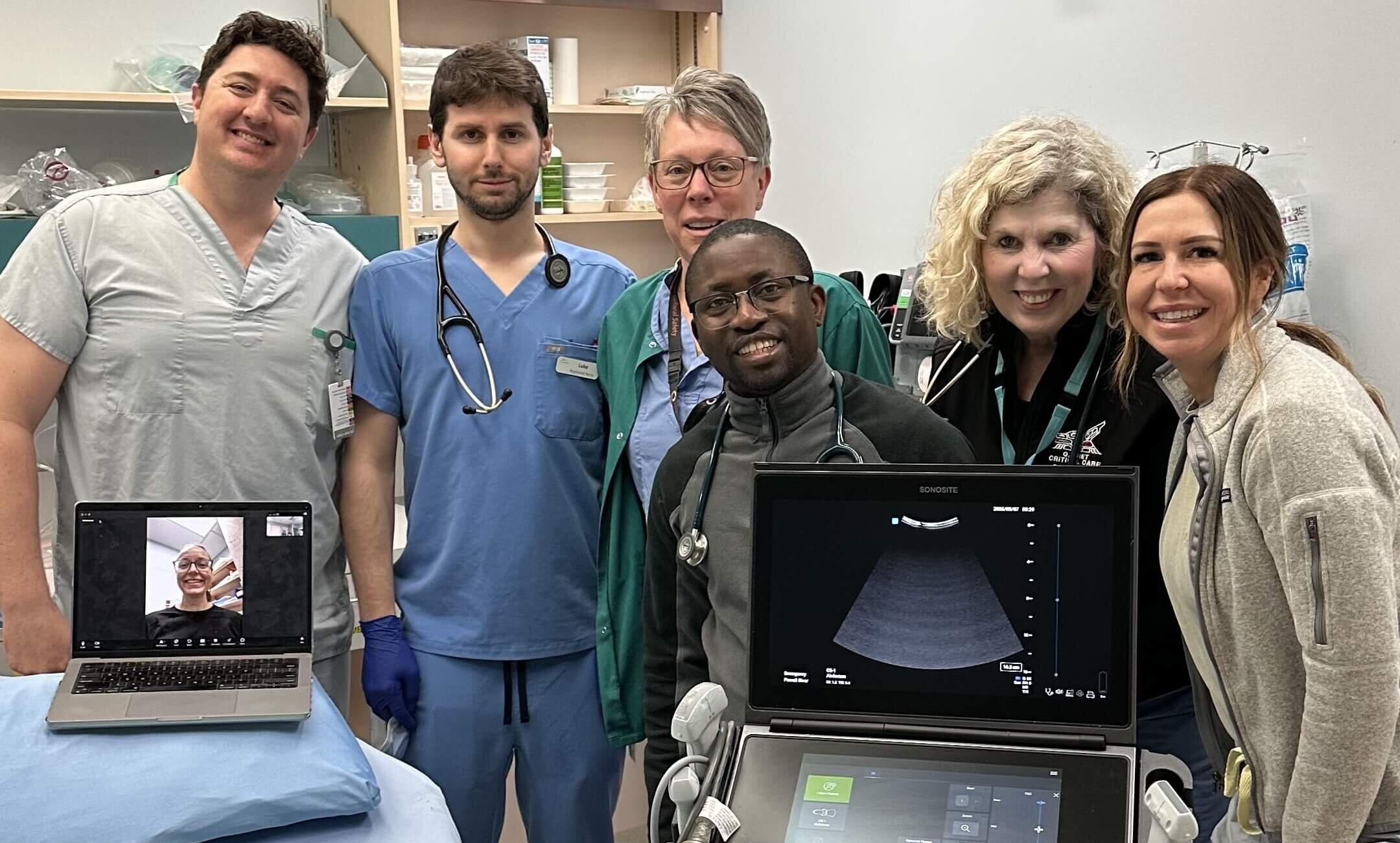
“RTVS has filled a gap. They’ve increased accessibility to a higher level of care knowledge. By doing that they contribute to the retention and recruitment to rural areas… having RTVS I think… takes away a little bit of that anxiety and might allow people to be more willing to work rural.”
RTVS Study Participant
About RTVS Peer Pathways
Rural providers in BC can connect with on-call RTVS peer pathway providers over Zoom or over the phone for clinical help. Our Instant Access pathways are staffed by friendly, compassionate physicians who understand the rural context. Our five Instant Access pathways are RUDi (Emergency), MaBAL (Maternity & Newborns), CHARLiE (Pediatrics), ROCCi (Critical Care and Internal Medicine) and VERRa (overnight hospital support). RUDi, MaBAL and CHARLiE are available 24/7, with ROCCi available from 8 a.m. to 9 p.m. Pacific Time seven days of the week. VERRa is available at select sites. We also have 10 RTVS Quick Reply peer pathways that are available weekdays during business hours. The Consultation to Conversation service facilitates three-way video conversations between rural patients, primary care providers and specialists.
RTVS virtual providers are eager to help with both urgent and non-urgent cases and questions, including:
- case consultations;
- second opinions;
- ongoing patient support;
- patient simulation scenarios;
- help navigating the healthcare system;
- coordinating patient transport;
- point-of-care ultrasound.
Calling an RTVS virtual provider is like calling a friend. They offer friendly, compassionate, non-judgmental, and culturally safe support while understanding the context of providing care in rural places.
Benefits of RTVS
RTVS peer pathways help ensure that rural healthcare providers are properly supported and rural patients receive more equitable access to healthcare. More specifically, RTVS pathways:
- Establish collegial relationships between RTVS virtual providers and rural healthcare providers to facilitate team-based patient care and build a stronger community of practice.
- Increase confidence, and reduce isolation, of healthcare providers who provide patient care in rural, remote, and First Nations communities in British Columbia.
- Increase mentoring and educational opportunities for rural healthcare providers—especially new-to-practice physician residents.
- Improve the recruitment and retention of rural healthcare providers.
- Increase availability and access to timely, quality healthcare services for patients in rural, remote, and First Nations communities, reducing their risk, time, and expense traveling for medical appointments.
- Offer a cost-effective and sustainable model for British Columbia’s health system needs.
Health human resources shortages are felt most acutely in rural settings. By supporting the communities at the edge, RTVS can bolster rural healthcare and prevent the downstream effect of tertiary hospitals getting an extra influx of patients. To prevent the erosion of support for rural sites, RTVS peer services will focus their support on rural patients and providers.
RTVS Partners
RTVS exists thanks to a strong commitment from all partners to use virtual technology to enhance provider wellness and patient care. In addition to the Rural Coordination Centre of BC, the RTVS family includes:
- BC Ministry of Health
- UBC Digital Emergency Medicine
- UBC RCPD
- First Nations Health Authority
- Provincial Health Services Authority
- Northern Health
- Interior Health
- Island Health
- Vancouver Coastal Health
Three ways to connect
Read more about recent achievements
Team Involved
















Related Content

BC Rural Health Conference
The BC Rural Health Conference provides an intimate learning space for rural physicians and allied health professionals to network, share knowledge, and update and learn new skills.
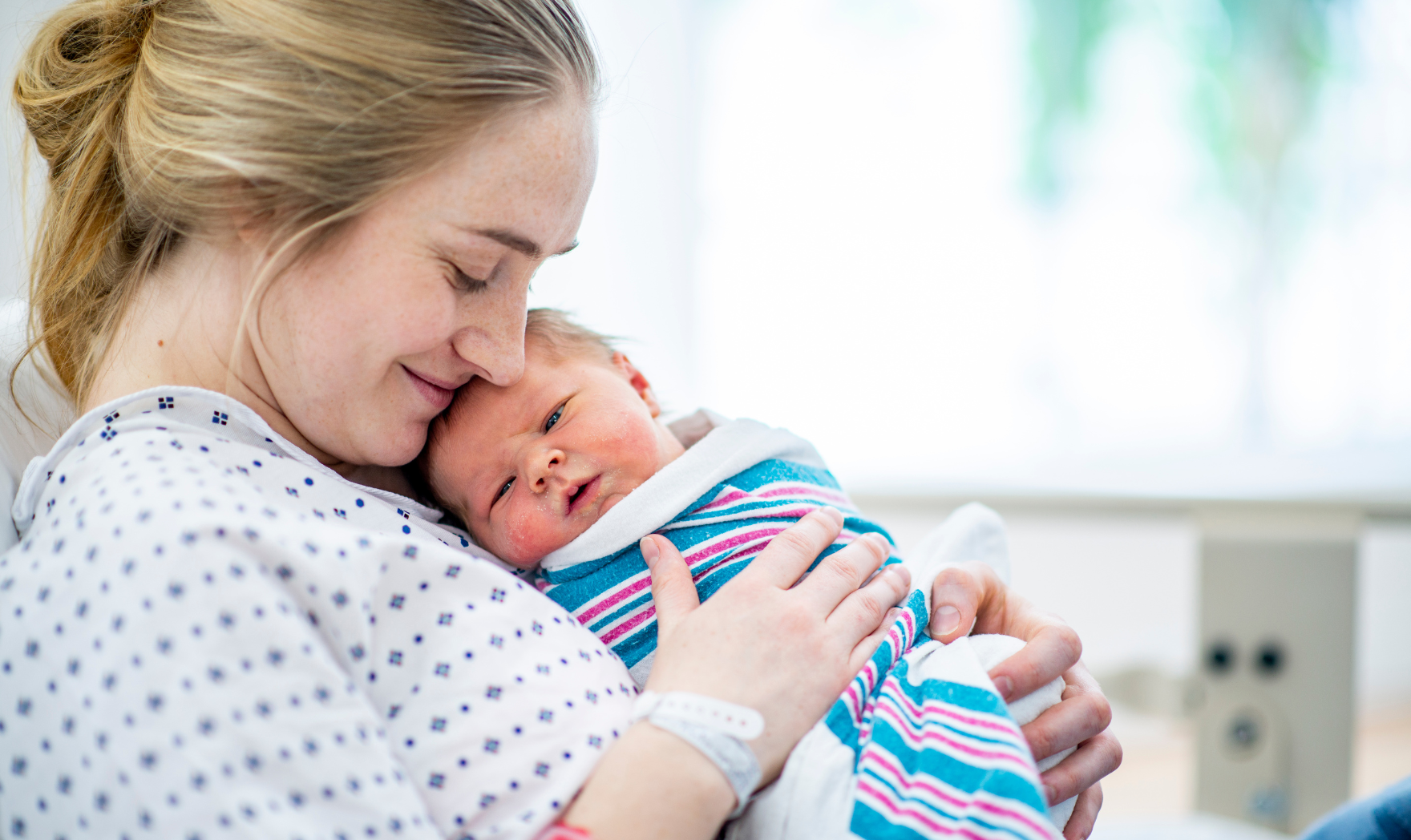
Rural Obstetrical and Maternity Sustainability Program (ROAM)
ROAM improves overall health system access and function by stabilizing, supporting and enhancing the delivery of quality maternity and surgical care to rural communities and Indigenous Peoples in BC.