
New funding has secured 24/7 availability of two Real-Time Virtual Support (RTVS) pathways operated by the Rural Coordination Centre of BC (RCCbc).
As of July 1, rural providers will once again have 24/7 access to the Child Health Advice in ReaL-time Electronically (CHARLiE/pediatrics) and Maternity and Babies Advice Line (MaBAL/maternity and women’s health) pathways.
These pathways will be available to any rural health care provider in BC whenever they need clinical help. They are part of a suite of virtual services accessed by more than 160 First Nations, rural and remote communities.

“We would like to thank rural clinicians and partners who shared their stories and let us know how important RTVS was to their daily lives. We heard this message loud and clear. We also want to thank our ministry partners who understand the great importance of this program in supporting First Nations, rural and remote communities.”
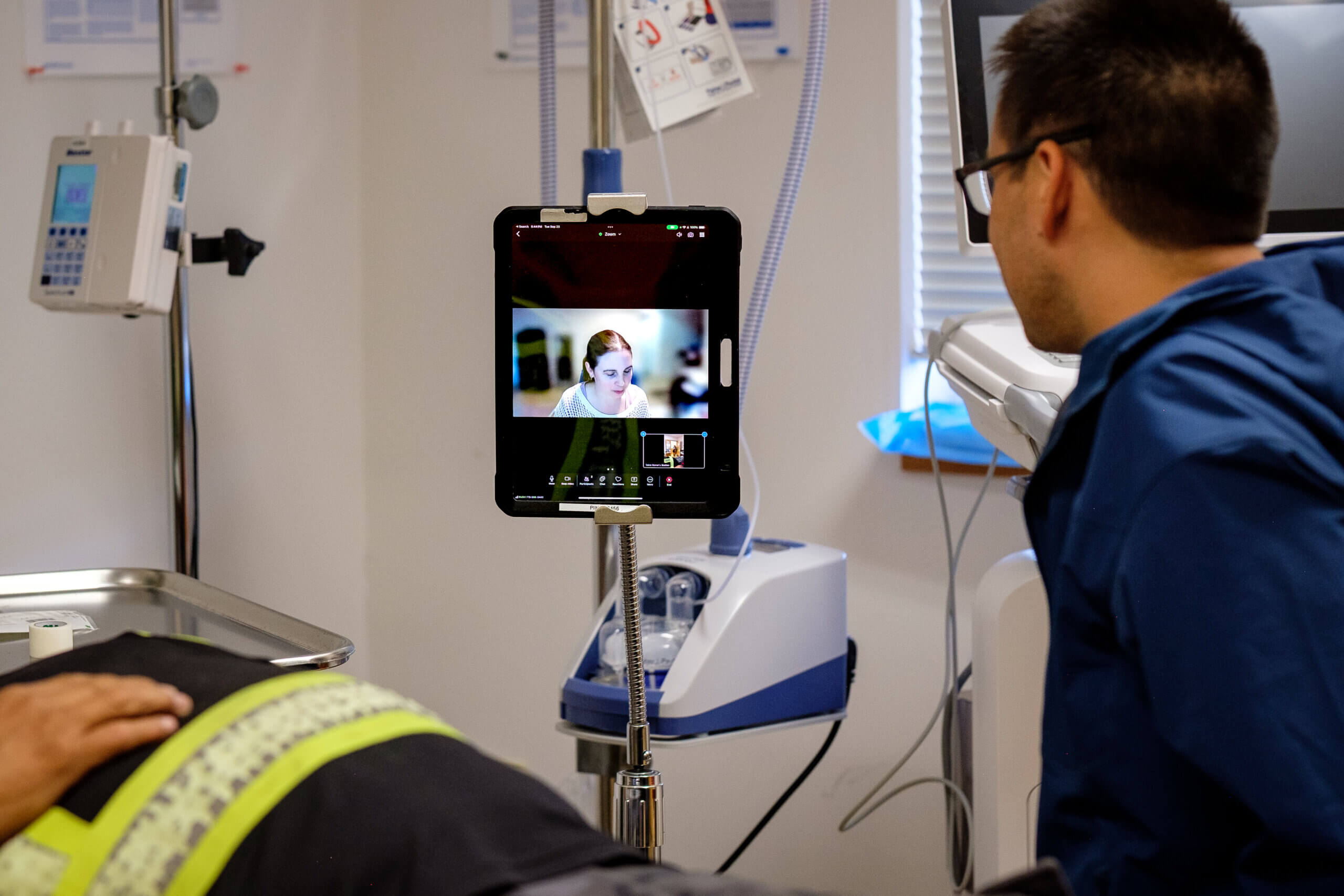
RTVS pathways support rural recruitment and retention by being a safety net for rural providers, so that they have someone to call when they are working alone or in small teams. The services also allow patients to be treated closer to home with hybrid care, a mix of on-the-ground support paired with enhanced access to virtual specialist support.
The funding was recently announced by the BC Government and Doctors of BC as part of the Physician Main Agreement (PMA).
RTVS, which has been operating since April 2020, evolved from a COVID-era emergency response into essential provincial clinical infrastructure supporting First Nations, rural, and remote communities across BC.
In addition to the funding for CHARLiE and MaBAL, the PMA also includes, starting in April 2027, provision for three years of operational funds for the entire RTVS program. The Joint Standing Committee on Rural Issues (JSC), one of the Joint Collaborative Committees (JCC) administered by Doctors of BC, will oversee the funds. The RTVS operations budget is funded directly from the Ministry of Health in the 2026-27 fiscal year as it has been in the past.
The RTVS suite of services provide immediate, real-time, unscheduled, peer-to-peer clinical decision support across emergency medicine, pediatrics, maternity, critical care and internal medicine. It also provides quick access to 10 additional specialist pathways with providers trained in the rural context. A three-way video consultation service allows patients to meet with their primary care provider and a specialist for pre-booked appointments.

More than 70% of medically isolated communities rely on RTVS to safely sustain local care in environments characterized by geographic isolation, limited specialist access, and chronic workforce shortages.
Since October 2025, the CHARLiE and MaBAL pathways have been operating a reduced, overnight-only service. Prior to that, they had operated 24/7. The services had been operating using an out-dated funding model which led to calls for increased funding to sustain them.
The PMA also contained commitments that respond to long-standing rural priorities, including rural retention, locum support, after-hours and on-call care, hybrid and longitudinal care, rural practice business costs, and support for physicians working in rural, remote and Indigenous communities.
The renewed agreement provided dedicated funding to address gender inequity and income disparities among doctors, and across services provided to patients. Physicians across the province voted nearly 92% in favour of ratification of the PMA.
RTVS Medical Lead Dr. John Pawlovich said: “We would like to thank rural clinicians and partners who shared their stories and let us know how important RTVS was to their daily lives. We heard this message loud and clear.
“We also want to thank our ministry partners who understand the great importance of this program in supporting First Nations, rural and remote communities.”
CHARLiE co-lead Dr. Melissa Paquette said: “We truly appreciate the resolute backing of rural clinicians, partners and organizations to re-establish 24/7 instant access to hybrid health support for women and children in rural BC.”
CHARLiE co-lead Dr. Arthur Cogswell added: “The combined voices of all of our supporters have ensured that access to RTVS support is now available again when it is needed, around the clock, matching the reality of what is required for truly universal health care delivery.”
MaBAL co-lead Dr. Amy Sawchuk said: “The MaBAL team are grateful to return to 24/7 support of our rural, remote and First Nations communities. Without the letters, emails and statements from so many of the rural health care providers in BC, this recognition of equity may not have happened. Thank you!”