Get Involved with RTVS


We are looking for physicians who want to be a part of a community of practice on the cutting edge of virtual support for equity of access to health care in rural BC. We welcome physicians to fill out our Expression of Interest form if they are interested in:
- fostering a culture of curiosity and compassion,
- continuous, bidirectional learning, and;
- your ongoing journey of Cultural Safety and Humility.
Apply to join the team
If you are ready to lean in and go the extra mile to support a relational model of virtual support for providers caring for their patients in rural, remote, and Indigenous communities in BC, we want to hear from you.
We invite you to express your interest in participating in the Real-Time Virtual Support Peer Pathways. This is an open call, we are continually assessing the need for providers in each of the Peer Pathways.
We recognize the valuable time required to engage in the following application and have attempted to make it as efficient as possible while retaining the subtlety and sensitivity required for culturally appropriate and safe care in a system which has been found to frequently lack this. Since technology can add a further impersonal dimension, and since many patients and communities we serve may have experienced culturally inappropriate care and systematic racism; it is incumbent that we work together to ensure patients feel safe to access needed services.
Please do not use AI in the creation of your responses in the Expression of Interest for BC-based physicians form.
Note: Applicants interested in joining the CHARLiE pathway should note that providers must have at least one year of independent practice in BC prior to joining the team.
Expression of Interest for BC-Based Physicians
RTVS Standards, Expectations and Responsibilities
RTVS Peer Pathways
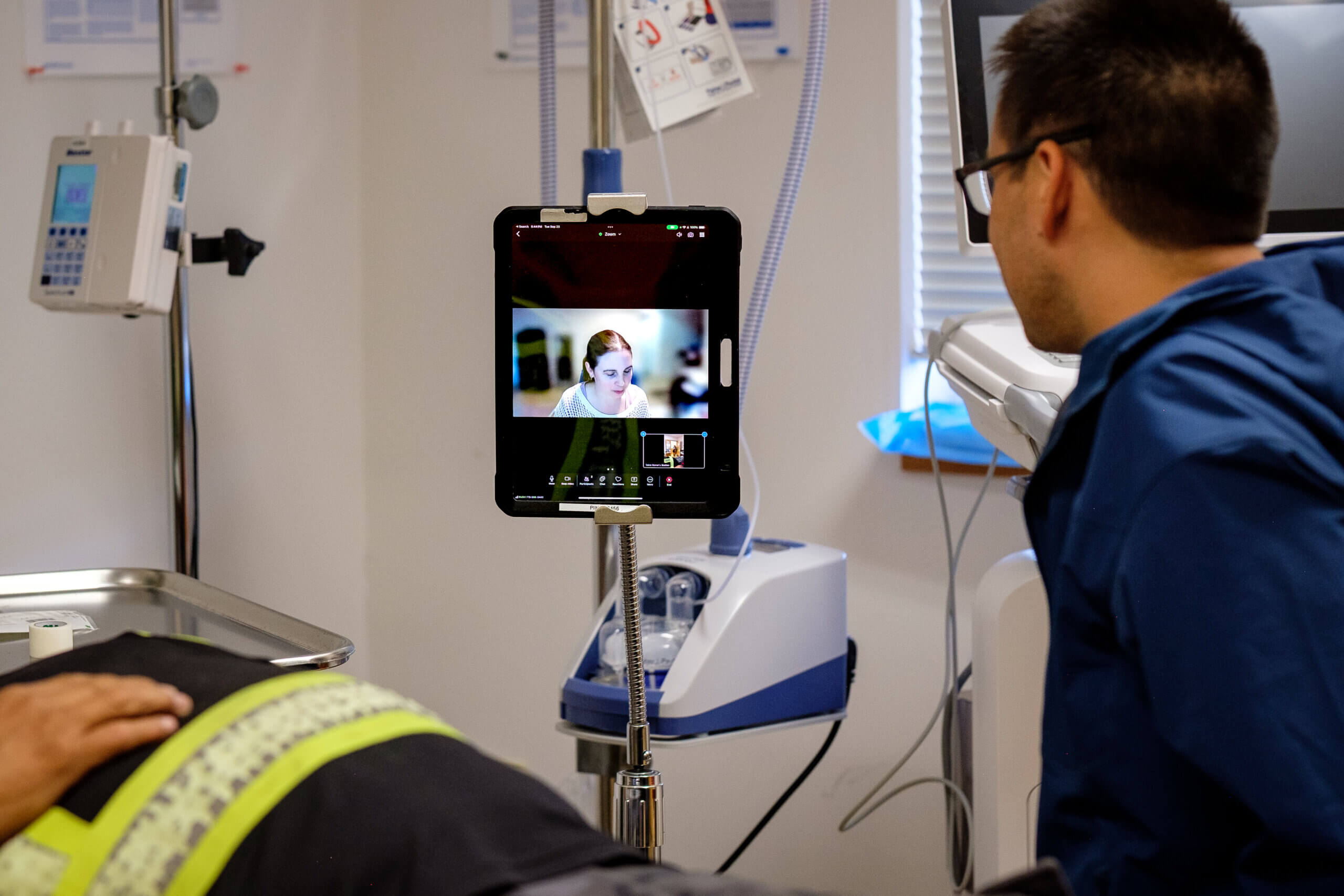
Health providers—including physicians, resident physicians, nurse practitioners, nurses, and midwives—in rural, remote, and Indigenous communities can connect via Zoom or telephone with RTVS Virtual Providers to access free and friendly clinical support. RTVS Virtual Providers are eager to help with both urgent and non-urgent cases and questions, including case consultations, second opinions and ongoing patient support, patient transport coordination, point-of-care ultrasound, and simulations.
Calling an RTVS Virtual Provider is like calling a friend. They offer friendly, compassionate, non-judgmental, and culturally safe support while understanding the context of providing care in rural places. The RUDi, CHARLiE and MaBAL Instant Access Pathways are available 24 hours a day, seven days a week, while the ROCCi Instant Access Pathway is available from 8:00 a.m. to 9 p.m. Pacific Time. Quick Reply pathways are available weekdays from 9:00 a.m. to late afternoon, and mostly operate on a call-back basis.
As an Instant Access or Quick Reply Pathway Provider, you have an opportunity to join a community of practice that works together and across partnerships to support rural providers and the patients that they care for. By joining the team, you are committing to:
Clinical
- Making yourself available for an average of three shifts per month
Non-Clinical
- Attending the majority of pathway meetings, faculty development opportunities, and cultural safety and humility opportunities. There are also optional opportunities like outreach to support in community relationship development and simulations to support in community capacity development.
- Evaluation and Learning: Being a part of a learning health system that invites and integrates feedback – on the individual and pathway level – that comes from the rural providers that we support.
Consultation to Conversation
Specialists interested in the RTVS Consultation to Conversation program, which facilitates three-way video conversations between a rural patient, their primary care provider and a specialist, can visit the Consultation to Conversation page to find out more.
Want to know more about the impact of RTVS? Watch The Edge of Care
The Cultural Safety and Humility criteria for physician participation
Physicians who are successful in their application to participate in the RTVS Peer Pathways must follow the principles and practices of cultural safety and humility. When health care professionals engage with rural providers and the patients they care for from a place of cultural humility, they are helping to create a safer health care environment where individuals and families feel respected. The following concepts have led the design and delivery of RTVS.
Cultural Safety is an outcome based on respectful engagement that recognizes and strives to address power imbalances inherent in the health care system. It results in an environment free of racism and discrimination, where people feel safe when receiving healthcare.
Cultural Humility is a process of self-reflection to understand personal and systemic biases and to develop and maintain respectful processes and relationships based on mutual trust. Cultural humility involves humbly acknowledging oneself as a learner when it comes to understanding another’s experience. When cultural safety and humility are enabled, First Nations people are more likely to access care when they need it, and access care that is appropriate to their wellness beliefs, goals and needs. Enabling culturally safe and humble care environments requires a commitment to understanding and demonstrating the following principles:
- Health and wellness starts with every human being. A commitment to seeking to understand what health and wellness means to each individual client in order to support their personal wellness goals and needs.
- Relationship-based care is core to a healing environment. A commitment to providing utmost attention and care to developing mutually trusting and respectful relation-ship with each individual client.
- Cultural safety is defined by each individual client’s health service experience. A commitment to listening openly and honestly, allowing individuals to ask questions and raise concerns without fear of reprisal.
- Access to health care is an important determinant of health and wellness. A commitment to identifying and removing barriers to providing the highest level of possible care – the appropriate care, at the appropriate time.
- Continuous learning as a health provider is essential to providing culturally safe care. A commitment to remaining open to diverse perspectives, seeking to honestly under-standing concerns, and leading by example.